Rent a car or moto to move around Costa Rica and its surroundings more comfortably by dismissing predicament and avoiding traffic jams.
Searching for where to stay in Costa Rica or surrounding towns? Check these hotels and hostels in Costa Rica for all budgets and all tastes.
Costa Rica is known for its gastronomy, deliciously diverse cuisine. Check out these bars, cafes, and restaurants in Costa Rica and around.
Discover the best nightclubs and bars in Costa Rica. Here are some of the places for rambling around the town, letting loose, and dancing.
Find popular guided tours and excursions in Costa Rica and its surroundings. Book your transfer from the airport to the nearest town or vice versa.
Language schools and other educational institutions and centers offering Spanish language courses and cultural programs in Costa Rica.
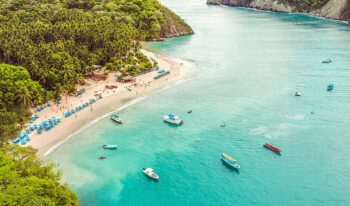
There’s an air of the Thai islands about little Tortuga. Fragmented off the south side of the Nicoya Peninsula, a 90-minute boat trip out of Puntarenas, ..
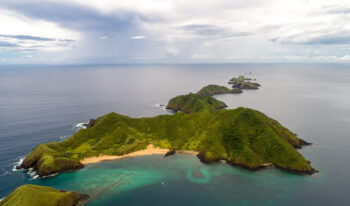
There’s one main reason that the Islas Murciélagos make it onto this list of Best Places to Visit in Costa Rica: Diving. The scuba here is some of the best ..
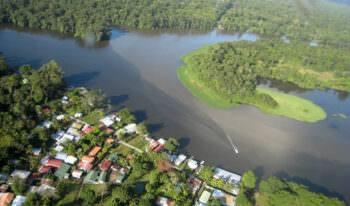
Explore the lush rainforests, diverse wildlife, and stunning beaches of Tortuguero National Park in Costa Rica, a must-visit destination for nature lovers ..
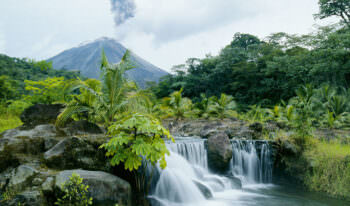
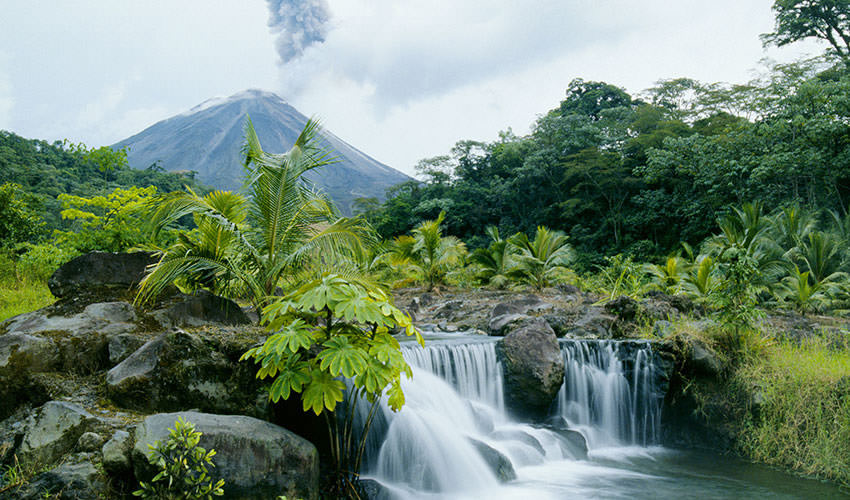
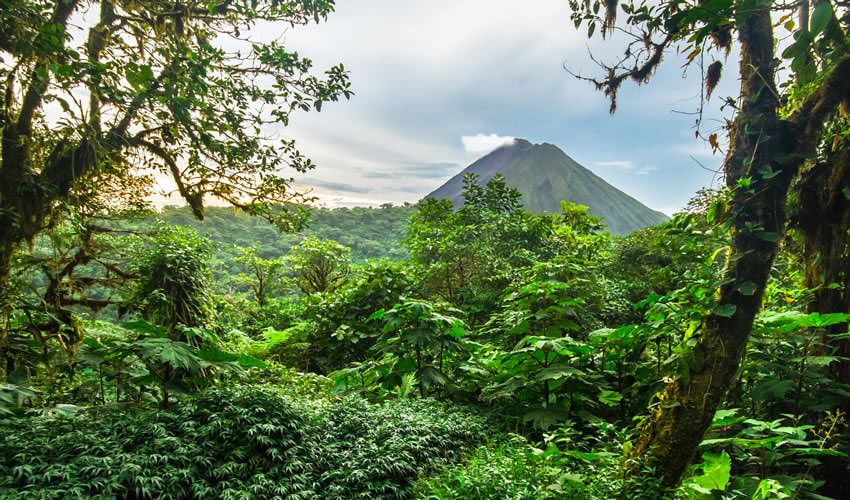
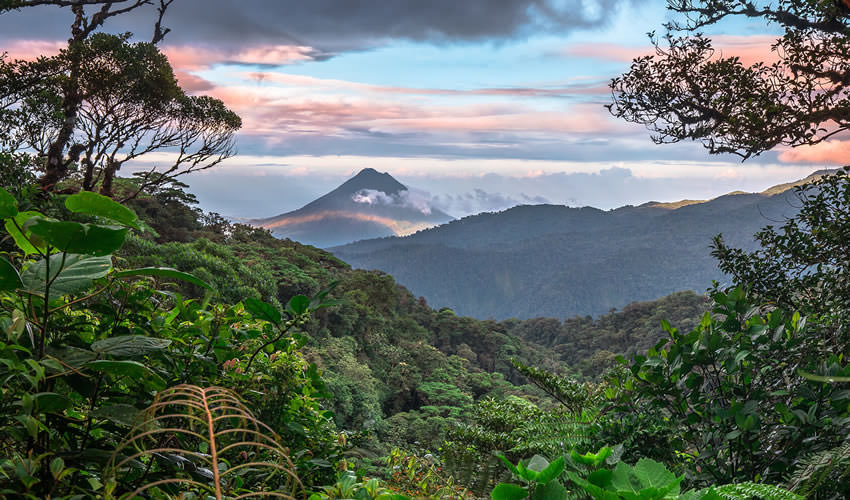
Discover the awe-inspiring beauty and thrilling adventures of Arenal Volcano National Park, one of Costa Rica’s most popular and breathtaking destinations. ..
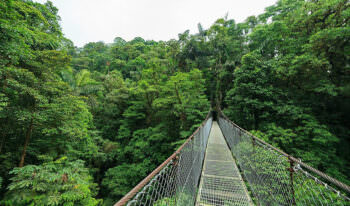
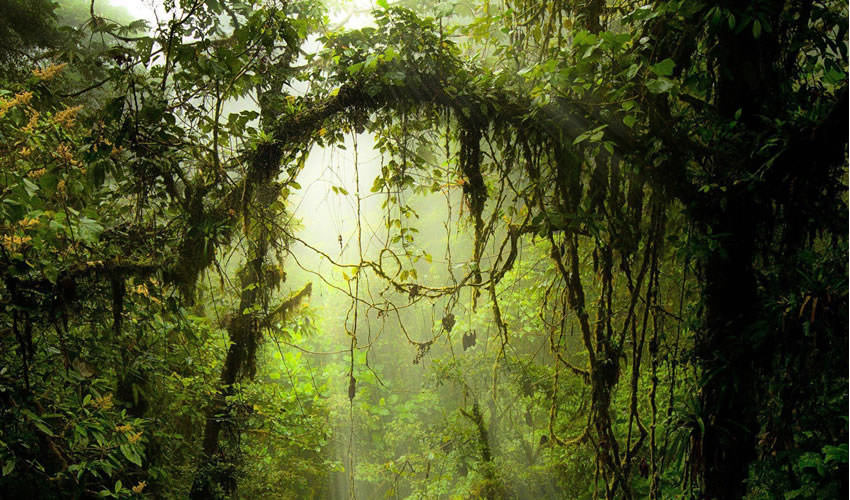
Discover the lush flora and fauna, scenic hiking trails, and breathtaking views of the Monteverde Cloud Forest Reserve, one of the most unique and mystical ..
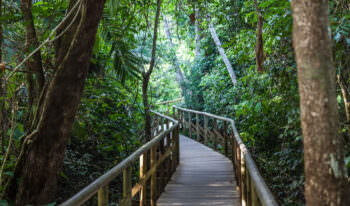
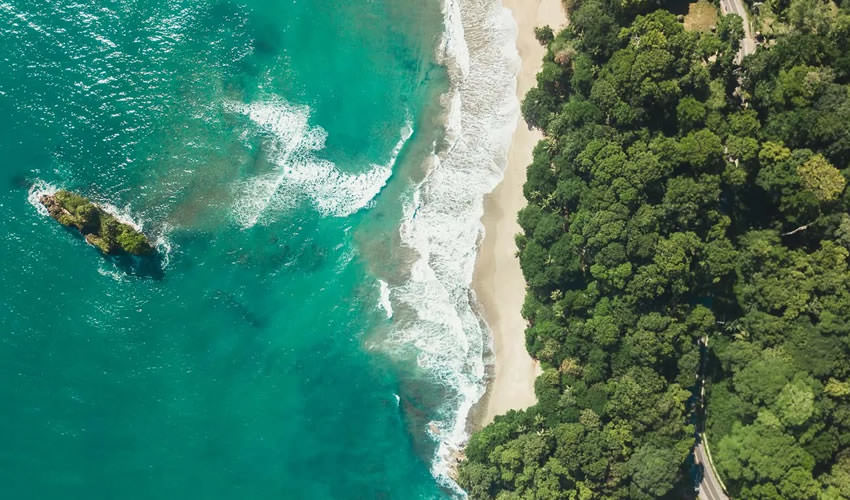
Discover the lush rainforests, stunning beaches, and diverse wildlife of Manuel Antonio National Park, one of the most popular destinations in Costa Rica ..
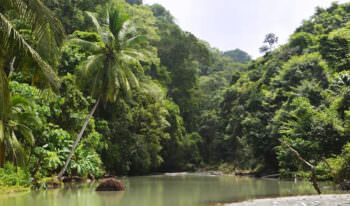
Venture into the untamed beauty of Corcovado National Park and experience one of the most biodiverse places on the planet. From pristine beaches to lush ..